

Luigi Chiozza, a scientist and entrepreneur from Trieste in the 19th century, left a lasting imprint on the Chiozza villa and park. After leaving the Institute of Arts and Crafts in Milan due to his wife’s death, Chiozza settled at Villa Chiozza in 1858. Originally a summer home, he transformed the Scodovacca estate into a main residence, adapting some rustic buildings into workshops for his agricultural research.
His innovations contributed to the agricultural sector, and in 1870, his estate witnessed the discovery of a remedy for pebrine, a silkworm disease, by Louis Pasteur. The villa itself underwent a significant transformation in the second half of the 19th century, taking on its current Neoclassical appearance, while the surrounding grounds were transformed into an extensive English-style park.
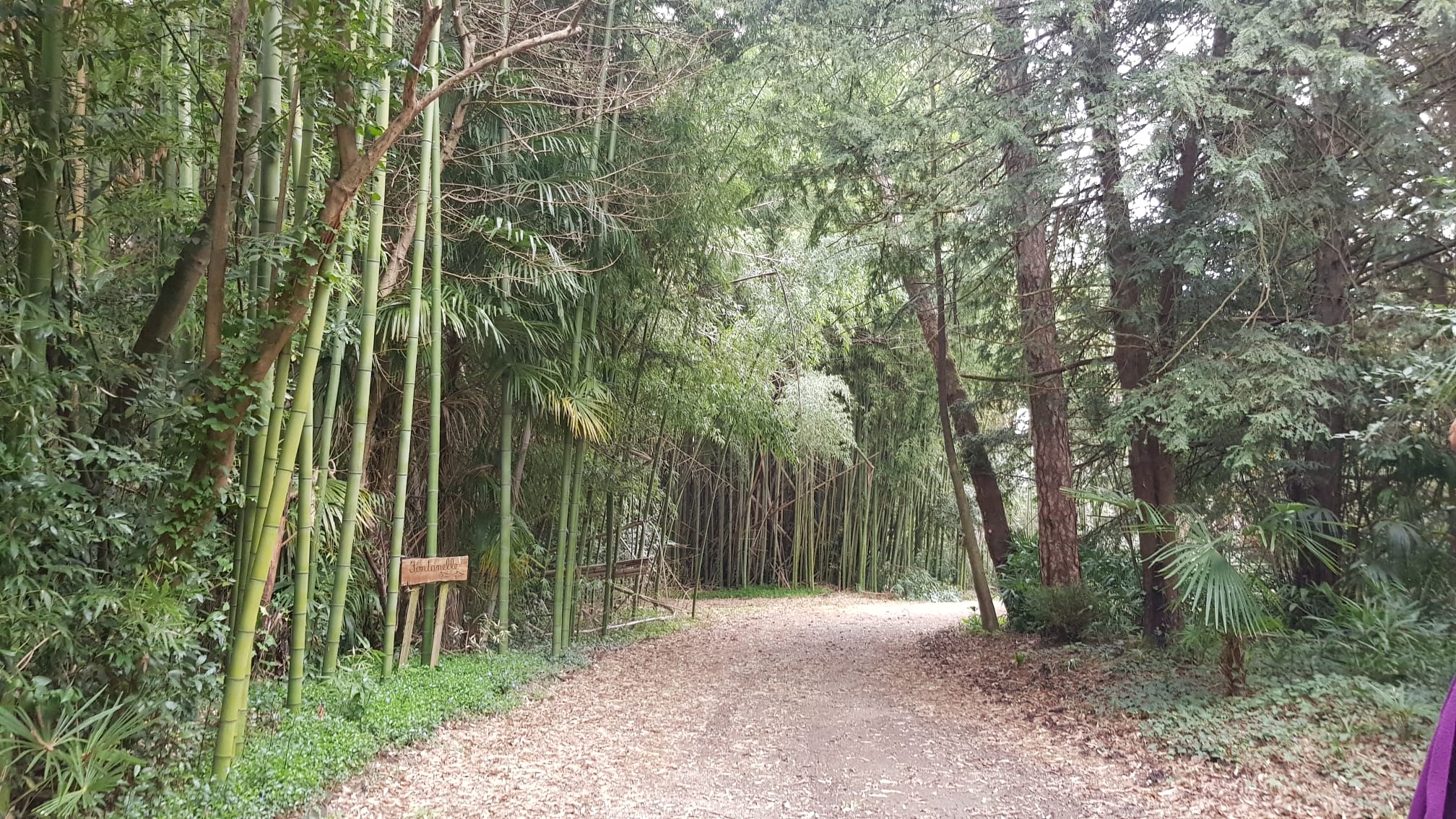
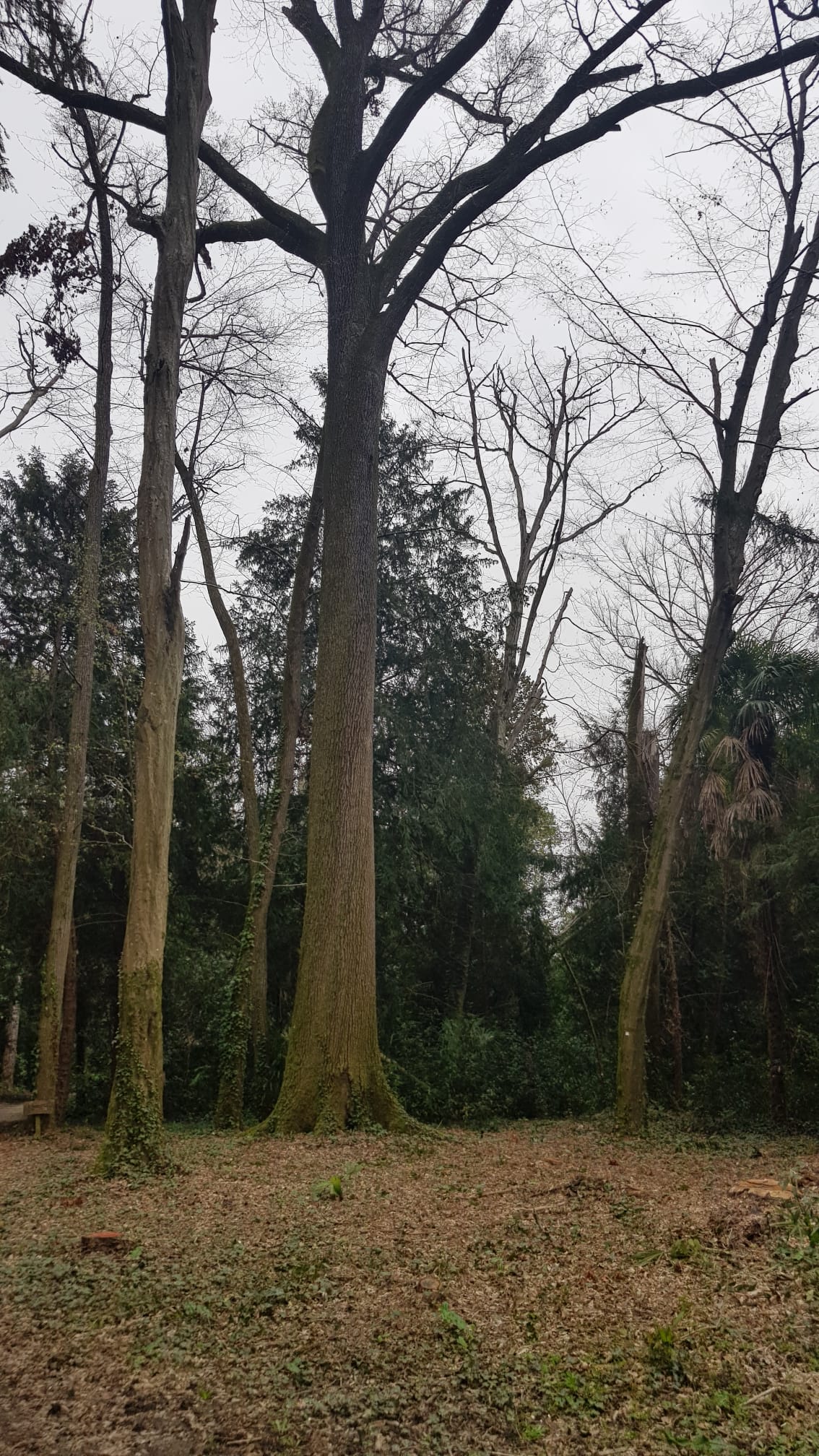
Chiozza enriched the park with more than 140 species of plants from around the world, creating a landscape that appears natural but is the result of careful planning. Some of the plants include ancient sequoias from North America, sweetgums, and ginkgo biloba from China, along with native species such as white hornbeam and field maple. One of the park’s most striking features is a forest of canes, creating a dense and impenetrable green area.
In 1978, the estate was purchased by the Region and today it houses the headquarters of PromoturismoFVG, continuing to be a point of historical and natural interest in the region.
Le sue innovazioni hanno contribuito al settore agrario, e nel 1870, la sua tenuta è stata testimone della scoperta di un rimedio per la pebrina, una malattia dei bachi da seta, da parte di Louis Pasteur. La villa stessa subì una trasformazione significativa nella seconda metà del XIX secolo, assumendo l’aspetto neoclassico attuale, mentre i terreni circostanti furono trasformati in un ampio parco all’inglese.
Chiozza ha arricchito il parco con più di 140 specie di piante provenienti da tutto il mondo, creando un paesaggio che sembra naturale ma è il risultato di una pianificazione accurata. Alcune delle piante includono sequoie secolari dall’America del Nord, liquidambar, e ginko biloba dalla Cina, insieme a specie autoctone come il carpino bianco e l’acero campestre. Una delle attrazioni più sorprendenti del parco è una foresta di canne, che crea un’area verde densa e impenetrabile.
Nel 1978, la tenuta è stata acquistata dalla Regione e oggi ospita la sede di PromoturismoFVG, continuando a essere un punto di interesse storico e naturalistico nella regione.